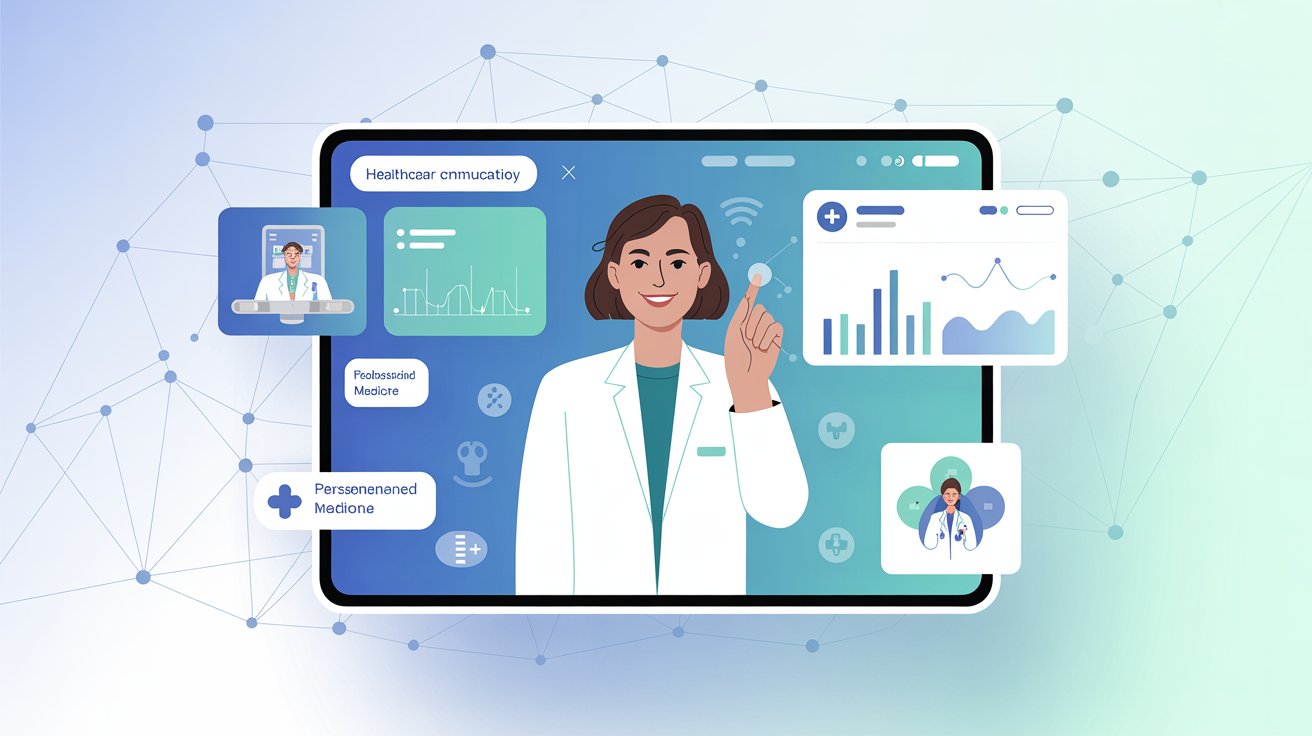

Top Healthcare Marketing Trends to Watch in 2025
Healthcare marketing is evolving faster than ever, driven by new technologies, shifting patient expectations, and regulatory updates. As patients become more empowered and digital channels grow in influence, providers, payers, and health tech firms must stay ahead—or risk falling behind.
Here’s a deep dive into the most significant healthcare marketing trends for 2025 that will define how organizations connect, engage, and deliver value to consumers and stakeholders.
1. Hyper-Personalization Through AI and Data
Healthcare consumers today expect the same personalized experience from their medical providers that they get from retail or finance. In 2025, AI-driven hyper-personalization will be at the heart of successful marketing strategies.
Features:
Precision Targeting: Leveraging AI tools and advanced CRMs, marketers can segment audiences based on detailed medical history, engagement patterns, and socioeconomic factors.
Dynamic Content: AI-powered platforms can create tailored messages for each patient, from appointment reminders to wellness tips, based on their stage in the healthcare journey.
Improved Patient Retention: Hyper-personalized communication boosts trust and keeps patients engaged between visits.
What This Means for Marketers
To win in 2025, marketers must invest in AI analytics capabilities and ensure all digital touchpoints are collecting actionable data—while remaining compliant with privacy regulations.
2. The Rise of Omnichannel Patient Engagement
Today’s patient journeys span multiple channels—websites, apps, social media, chatbots, and in-person visits. In 2025, seamless omnichannel engagement will become business-critical for both providers and payers.
Key Developments:
Consistency Across Platforms: Unified messaging and branding regardless of how patients access information.
Chatbots and Virtual Assistants: AI-powered chat support to answer questions, book appointments, and deliver follow-ups 24/7.
Integrated Offline and Online Experiences: Connecting online appointment booking with in-clinic visits, follow-ups, and telemedicine consults.
Best Practices
Brands must map and optimize every patient touchpoint, ensuring high-value experiences on all platforms while enabling smooth transitions between digital and offline care.
3. Telehealth Expansion and Digital Front Doors
The rapid adoption of telehealth during the pandemic was just the beginning. In 2025, telemedicine marketing will mature, with a focus on:
Promoting Virtual-First Offerings: Providers highlight virtual consultations, remote monitoring, and self-service tools.
Digital Front Doors: Comprehensive online portals offer appointment scheduling, results viewing, and direct communication with clinicians.
Trust-Building: Transparent communication about virtual care quality and security is now essential to attract hesitant patients.
Implications
Healthcare marketers must differentiate their digital services, communicate clear benefits, and educate patients about the value, security, and ease of telehealth.
4. Content Marketing that Prioritizes Health Literacy
As medical misinformation grows and regulations around online healthcare ads tighten, high-quality content becomes a key differentiator.
Focus on Health Literacy: Creating clear, accessible educational materials that help patients make informed decisions.
Video and Visual Content: Short videos, explainer infographics, and interactive guides increase engagement, particularly for complex topics.
Authority Building: Partnerships with medical professionals and patient advocates to produce trustworthy content.
Healthcare organizations that empower audiences with actionable, easy-to-understand content will build loyalty and find greater success in SEO rankings and patient acquisition.
5. Privacy, Trust, and Regulatory Compliance
In 2025, data privacy requirements are stricter than ever (with frameworks extending beyond HIPAA). Consumers demand transparency about data use, security, and the value exchange for their personal information.
What’s Shifting:
Proactive Communication: Explaining how patient data is collected, stored, and used—especially with digital tools like health apps and wearables.
Consent-Driven Marketing: Patients must opt-in to communications, and granular preference management is the norm.
First-Party Data Focus: As third-party cookies phase out, healthcare marketers rely on their own data—collected through secure, ethical consent.
Action Points
Prioritize building trust through transparent data practices, regular audits, and privacy-by-design approaches in all marketing automation.
6. Voice Search and Conversational AI
Voice technologies are revolutionizing healthcare information-seeking and service access:
Optimizing for Voice Search: Patients increasingly use smart speakers and voice assistants to find providers, book appointments, and get medical answers.
Conversational Marketing: Natural language-based chatbots deliver more human-like interactions, improving satisfaction while reducing costs.
Marketers must optimize website content for voice queries (“find a cardiologist near me”) and deploy conversational AI tools to deliver quick, empathetic assistance 24/7.
7. Influencer Partnerships and Patient Advocacy
Peer trust remains paramount. In 2025:
Healthcare Influencers on the Rise: Medical professionals, health experts, and patient advocates influence public perceptions far more than traditional ads.
Patient Storytelling: Showcasing real patient journeys via testimonials, videos, and social proof can inspire others and build credibility.
Micro-Influencers: Collaborations with smaller, niche influencers yield high engagement within targeted communities.
Healthcare marketers benefit from partnering with credible voices who can communicate trust, empathy, and expertise.
8. Diversity, Equity, and Inclusion (DEI) in Marketing
Culturally Competent Content: Campaigns reflect the languages, cultures, and values of their patient populations.
Representation in Imagery and Messaging: DEMographically accurate marketing materials are expected, not just appreciated.
Inclusive Digital Experiences: Accessibility for people with disabilities (ADA compliance), gender-inclusive language, and resources for underserved communities.
DEI is no longer a trend; it is a marketer’s mandate and directly impacts brand reputation, regulatory compliance, and patient satisfaction.
9. Social Media as a Healthcare Hub
In 2025, social media remains central for building communities, sharing education, and driving engagement.
Short-Form Video Dominates: TikTok, Instagram Reels, and YouTube Shorts are go-to platforms for healthcare tips and myth-busting.
Dedicated Health Communities: Facebook groups, Reddit threads, and LinkedIn groups offer peer-to-peer support and expert Q&As.
Real-Time Crisis Response: Social listening tools spot health trends, public sentiment, and misinformation quickly.
Effective social media strategies blend education, real stories, and interactive features (polls, live Q&As) for maximum reach and trust.
10. The Growing Role of Gen Z and Millennial Health Consumers
Younger consumers are shaping how healthcare is marketed and delivered:
Digital-First Expectations: Online reviews, mobile-first websites, and instant communication are baseline expectations.
Cause-Driven Engagement: Gen Z and millennials value brands that align with their ethics—sustainability, DEI, mental health, and transparency.
Wellness Ecosystems: Beyond sick care, these generations seek holistic well-being—nutrition, mental health, fitness, apps, and wearables.
Marketers must tap into these values and meet tech-savvy, wellness-focused consumers where they are.
12. Strategic Partnerships and Community-Based Marketing
Savvy marketers are forging new alliances:
Public Health Partnerships: Collaborations with local organizations to address social determinants of health and promote wellness events.
Employer Programs: Companies team up with healthcare providers for custom employee wellness platforms and screenings.
Technology Integrations: Joint ventures with health tech firms (EHR, telehealth, mobile apps) to enhance and promote patient experience.
Co-marketing with trusted community centers, libraries, and retail clinics increases local impact and brand trust.
Conclusion: How to Lead in 2025
Healthcare marketing in 2025 is about more than just patient acquisition—it’s about trust, personalization, convenience, and community. The most successful organizations will:
Place the patient at the center of every campaign.
Invest in technology and data analytics for smarter, more effective outreach.
Champion trust, transparency, and DEI as core values.
Foster engaged, informed communities through genuine, two-way conversations.
By embracing these trends, healthcare marketers can future-proof their strategies and drive meaningful impact for patients, providers, and entire communities.